

Lemon Posset only requires three ingredients cream, sugar, and fresh lemon juice to create a velvety smooth texture with a refreshing flavor that is perfect for any occasion. This recipe includes notes on infusing with lemon peel as well as optionally caramelizing the tops of your posset for a striking dessert that only takes 15 minutes to prepare.

Table of Contents
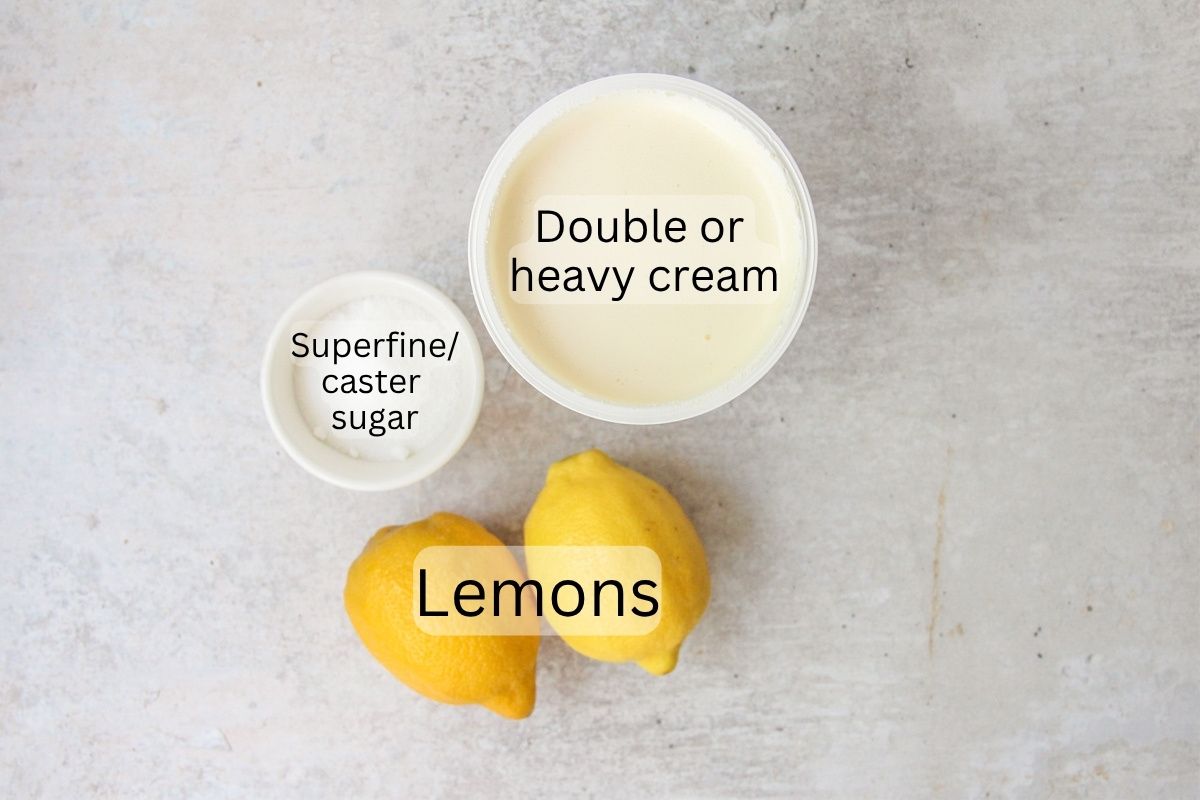
Ingredients and substitutions for Lemon Posset
- Cream: British Double cream has a higher fat content than American heavy cream, but both can be used interchangeably here.
- Sugar: The nice fine granules of superfine or caster dissolve easily during the cooking process and add sweetness without additional flavors to the posset. This allows the lemon flavor to truly shine.
- Lemon juice: Fresh lemon juice contains no additives so is the best option here. Bottled stuff won't do here as it includes additional additives.
See recipe card for quantities.

How to make Lemon Posset:

(Optional) Step 1: Infuse the cream: Toss lemon peel into the cream and cover, infusing in the fridge for several hours or overnight.

Step 1: Heat the cream: Sugar and lemon peel in a saucepan on low until lightly simmering at the edges. Discard lemon peel.

Step 2: Stir the lemon juice through: Remove from the heat and stir the lemon juice through and cool for 15 minutes.

Step 3: Pour into serving bowls/halved lemons: Pour into your dish of choice and chill until set.

(Optional) Step 4: Caramelize: Toss sugar over and caramelize with a blowtorch.
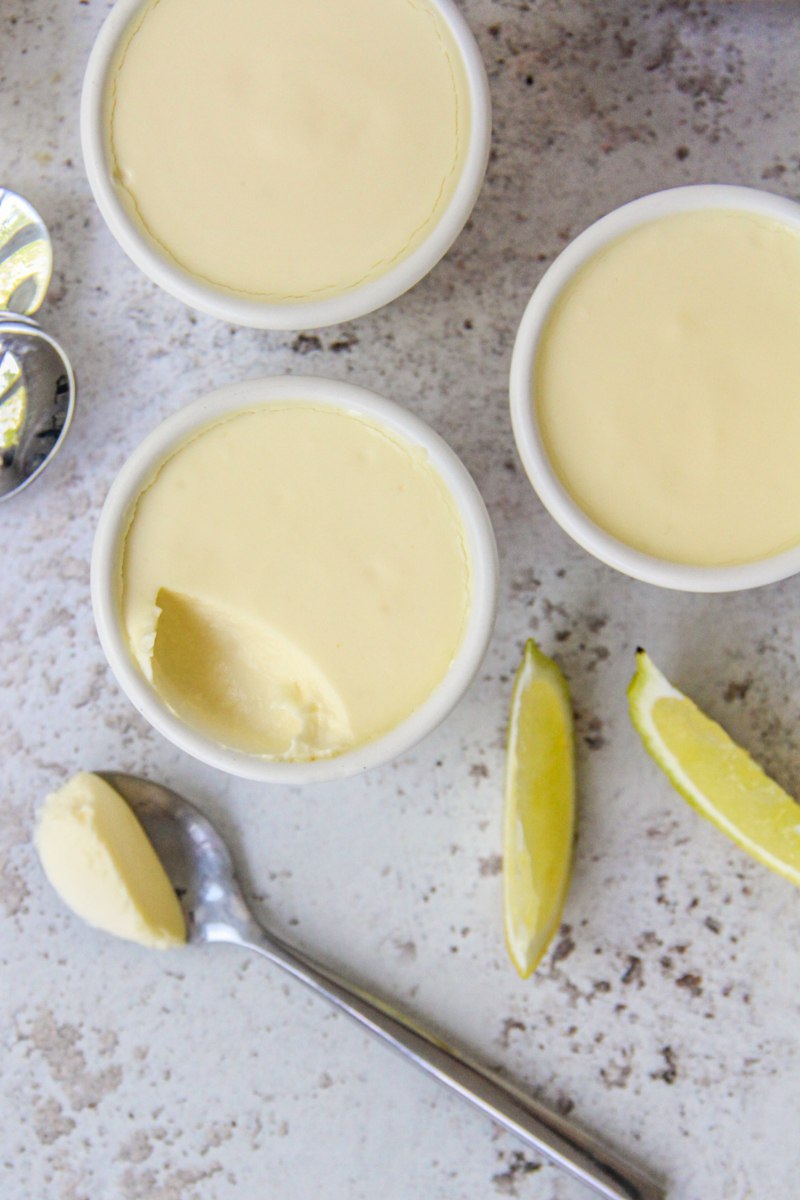
Step 4: Serve: With a spoon and optional shortbread finger or some fresh berries and dig in!
FAQ's for the best Lemon Posset
The posset relies on the citric acid in lemon's to set. Lemons have the highest levels of citric acid with limes having a level only slightly lower. Other fruits with citric acid include pineapple, cherries, cranberries, raspberries, pomelos, oranges, passionfruit as well as a few others. You can absolutely make posset with any of these fruits, however, other than lime, your dessert isn't guaranteed to set due to the lower citric levels. You can choose to use store-bought citric acid to bring levels up to the standard of lemons, though that amount would vary between fruits. Another option, which hasn't been thoroughly tested with all the ones listed above, is to replace the lemon juice in equal measure, by cooking the cream for an extra 2-3 minutes prior. This reduces the water content and will heat the cream to a higher temperature which sets firmer with lemon juice, but with a lower citric level fruit juice, is likely to set the posset to a similar texture.
More custard desserts you'll enjoy


Lemon Posset
Ingredients
- 454 grams / 2 cups heavy cream
- 60 grams / ⅓ cup superfine/caster sugar
- 70 grams / 5 tablespoons lemon juice fresh (2 medium lemons)
- 7 grams / 1 ½ tablespoons lemon peel no white pith remaining
- 30 grams / 2 ¼ tablespoons superfine/caster sugar for optional caramelized topping
Instructions
- Optional: Infuse the cream with lemon peel and cover and refrigerate for several hours or overnight.
- Optional: If you prefer you could infuse the cream with lemon peel at time of cooking.
- Pour the cream and sugar into a medium saucepan on low heat, stirring to dissolve the sugar.
- Continue cooking until the sugar has dissolved and it is bubbling at the edges of the saucepan, (ensuring the cream doesn't boil over), approximately 5 minutes.
- Optional: Discard the lemon peel.
- Remove from heat and pour in the lemon juice, stir to combine.
- Set aside to cool for 15 minutes.
- Pour into serving dishes and refrigerate for a minimum 2 hours, or until set.
- Serve chilled as is or with a shortbread finger.
- Dig in!
Notes
- Cream: British Double cream has a higher fat content than American heavy cream, but both can be used interchangably here.
- Lemon juice: Fresh lemon juice contains no additives so is the best option here. Bottled stuff won't do here as it includes additional additives.
- Remove from the heat if boiling: If the cream begins to rise before it has been boiling for 5 minutes, remove from the heat until it has stopped simmering and return to the heat once more. Repeating the step to remove from the heat, as necessary.
- Why cook the cream for 5 minutes: Cooking the cream helps cook off some of the water which results in the posset setting better. This timeframe also helps the cream reach a light simmer at the edges of the saucepan which should mean it's at 60C/140F which is essential for helping the dessert set.
- Infusing the cream with peel: Infusing the cream overnight is called a cold infusion which allows the oils in the fresh peel to makes it's way through the fat. Alternatively, infusing during the cooking phase will also allow the subtle lemon peel flavors to add depth of flavor here. You can do either or none, do what you prefer here.
- Serving in cups: This is traditionally served in cups as it's supposed to be a quick dessert to make and serve.

- Serving in lemon peels: The images here show the posset both served in lemon peels and espresso cups. Serving in lemon peels requires more peels than the amount of juice you require, so you can choose to set the additional juice and flesh aside and prepare a seperate dessert or lemonade with this. Also, please note you'll need an extra 10-15 minutes to prepare the lemon peels which will mean making the dessert requires more time than stated above.
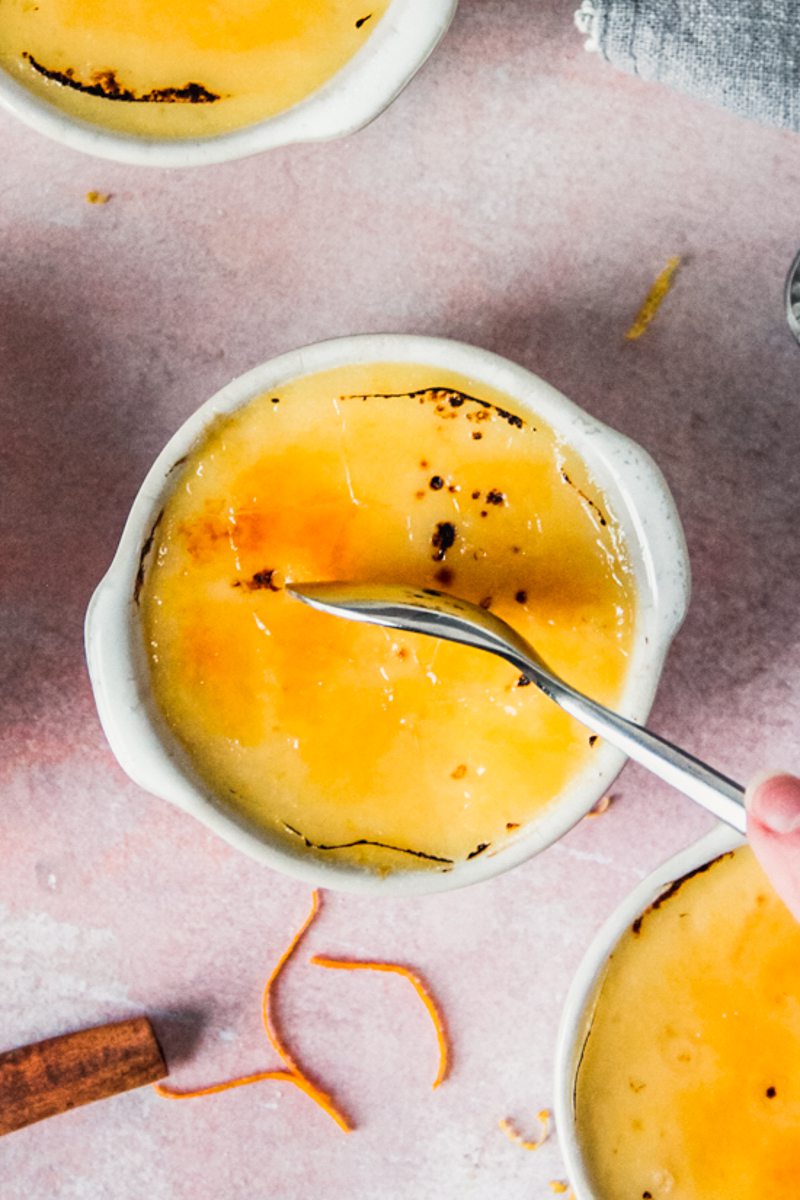
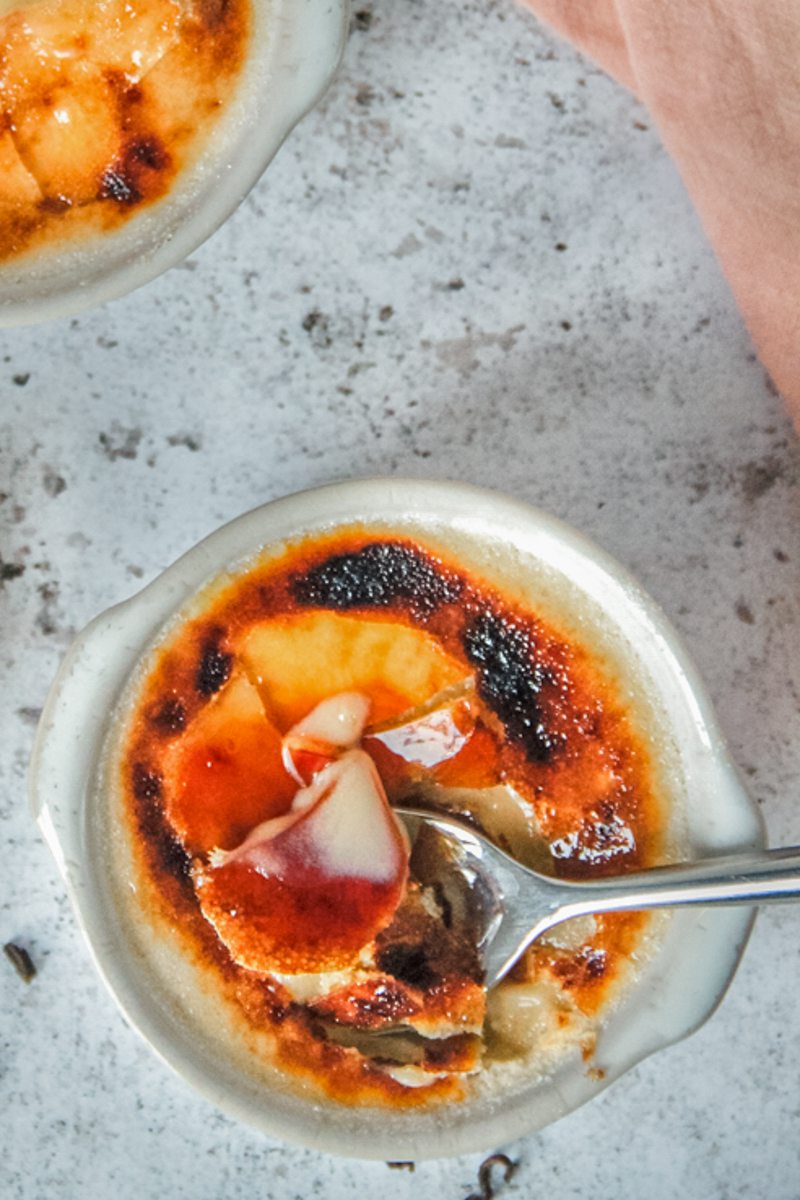
- Caramelizing the tops: A couple things to note that many people are choosing to caramelize the top of the posset, particularly when serving lemon peel as this adds a creme brulee vibe to the deesert. Firstly, this is best done with a blowtorch as you can be more precise and avoide charring the edges of the peel. Secondly, I noted the texture of bruleed posset loosens a little compared with serving without this caramelized topping. It is neither here nor there, just something worth sharing.
- Making posset with other fruit juices: The posset relies on the citric acid in lemon's to set. Lemons have the highest levels of citric acid with limes having a level only slightly lower. Other fruits with citric acid include pineapple, cherries, cranberries, raspberries, pomelos, oranges, passionfruit, as well as a few others. You can absolutely make posset with any of these fruits, however, other than lime, your dessert isn't guaranteed to set due to the lower citric levels. You can choose to use store-bought citric acid to bring levels up to the standard of lemons, though that amount would vary between fruits. Another option, which hasn't been thoroughly tested with all the ones listed above, is to replace the lemon juice in equal measure, by cooking the cream for an extra 2-3 minutes prior. This reduces the water content and will heat the cream to a higher temperature which sets firmer with lemon juice, but with a lower citric level fruit juice, is likely to set the posset to a similar texture.
Nutrition
Subscribe to receive a free weekly newsletter using seasonal produce as well as exclusive content!
Made it and loved it?
If you have made this recipe, it would mean so much to leave a review below to help more people find this.
Leave a Reply